Bespoke Heritage Joinery
We have mastered many joinery techniques to fit any project, from furniture to decorative models. Maximum-quality work that you won't find elsewhere.
Our workshop handles projects of every scale and complexity. We work closely with our clients to deliver woodwork that fits exactly as intended.
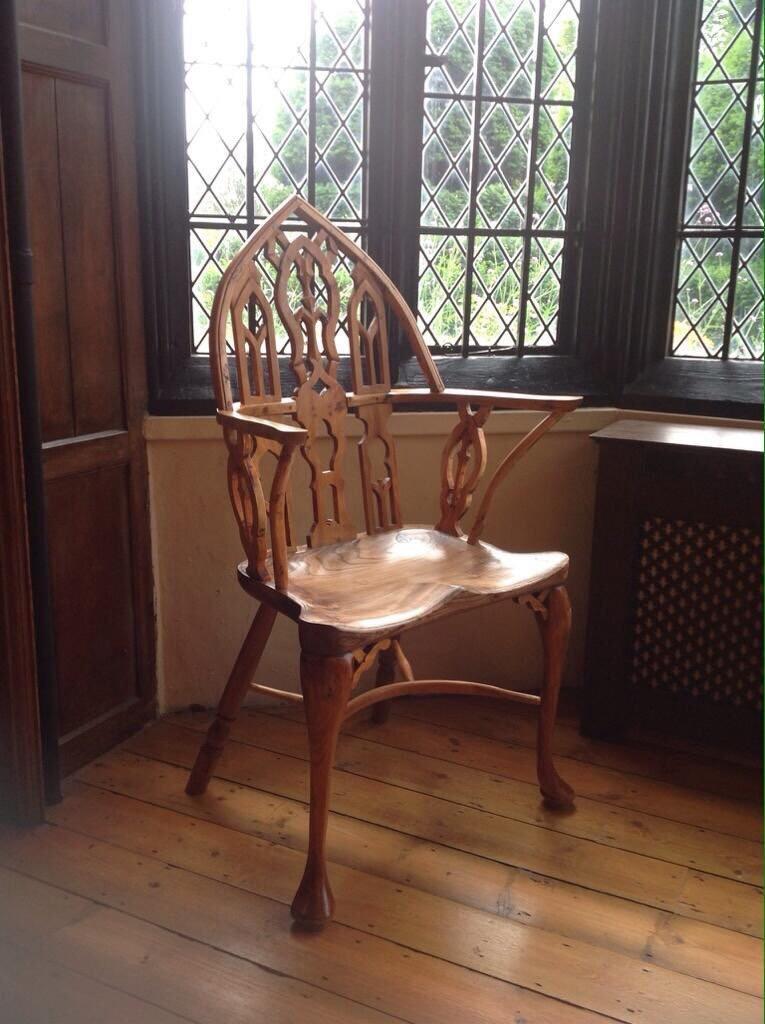
Where joinery is used
Traditional joinery methods apply across a wide range of architectural and interior uses.
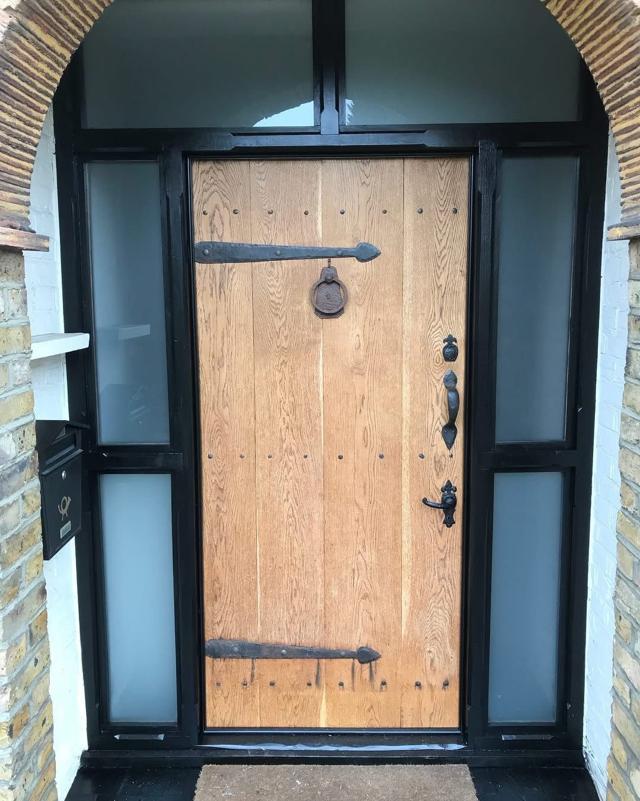
Doors
Frame and panel construction for interior and exterior doors, matched to period architecture.
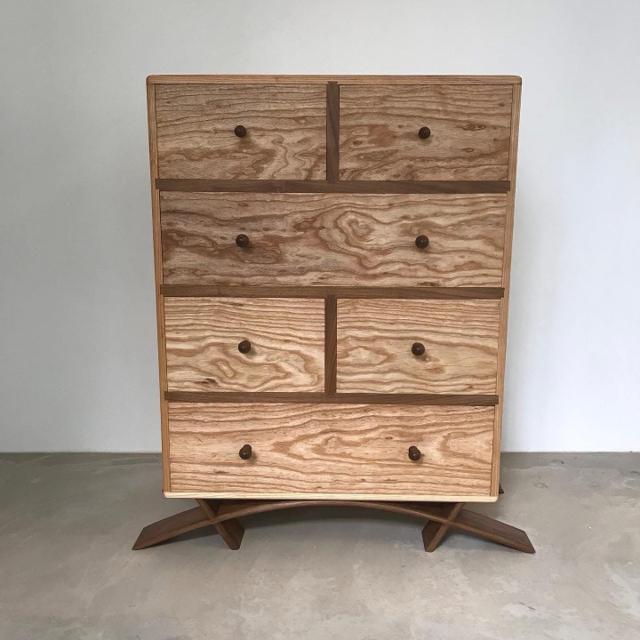
Fitted Furniture
Bespoke bookcases, cabinetry, and wardrobes built to exact room dimensions with hand-cut joinery throughout.
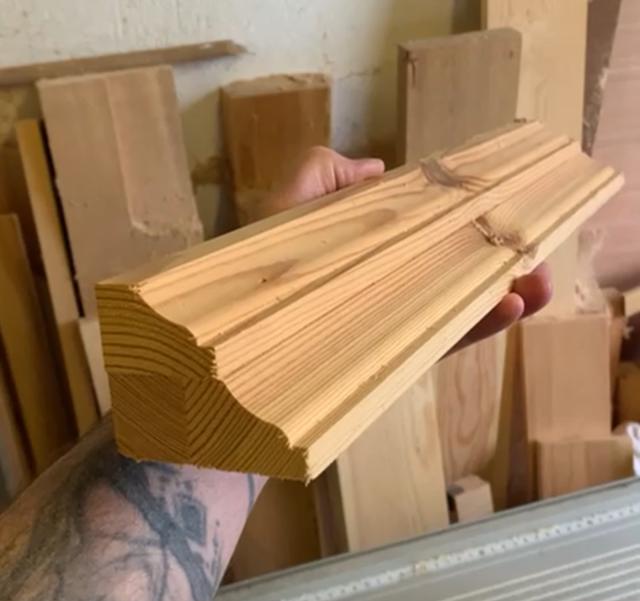
Architectural Mouldings
Cornices, architraves, skirting, and ovolo profiles machined to match originals or drawn from new specifications.
And many more applications...
Joinery vs. Modern Fasteners
Understanding the differences between traditional joinery and modern fastening methods helps you make informed decisions for your woodworking projects.
| Criteria | Traditional Joinery | Nails | Screws | Metal Fasteners |
|---|---|---|---|---|
| Strength | Exceptional - distributes load across joint | Moderate - can loosen over time | Good - holds well initially | Variable - depends on type |
| Aesthetics | Clean, seamless appearance | Visible nail heads | Visible screw heads | Often visible hardware |
| Durability | Centuries when done properly | Can rust, wood movement issues | Can rust, may strip threads | Can corrode or fail |
| Wood Movement | Accommodates natural expansion | Can split wood or work loose | Rigid, may cause splitting | Often restricts movement |
| Skill Required | High - requires training | Low - quick to learn | Low to moderate | Low to moderate |
| Time Investment | Longer - precision work | Quick installation | Quick installation | Quick installation |
| Reversibility | Difficult - often permanent | Moderate - can be removed | Easy - reversible | Usually reversible |
| Value | Premium - craftmanship value | Budget-friendly | Budget-friendly | Variable cost |
Why choose joinery? While modern fasteners offer speed and convenience, traditional joinery creates heirloom-quality pieces that improve with age. The invisible connections and superior strength make joinery the preferred choice for fine furniture, architectural millwork, and projects built to last generations.
From survey to installation
Survey
We visit the property, to understand what woodworks are in need of restoration.
Design & Approval
Drawings are produced to get an idea of how a modern restoration of the wood pieces would look. Where listed building consent is required, we advise on submissions and support the planning process.
Timber Selection
We specify the correct species and grade for the building - air-dried where appropriate, and sourced from FSC-certified suppliers.
Workshop Production
Each wood piece is machined and hand-finished in our workshop. Joints are made precisely to tolerance, to ensure longevity and a seamless finish.
Installation
We fit the completed pieces on site, and make sure that they are up to standard before we leave.
The woods we use
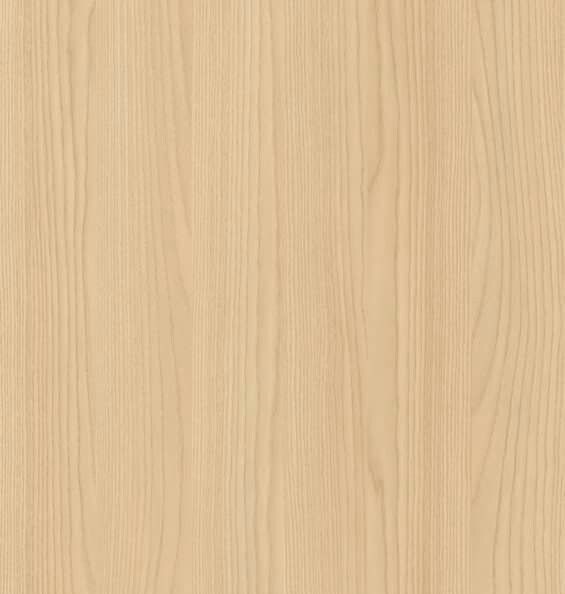
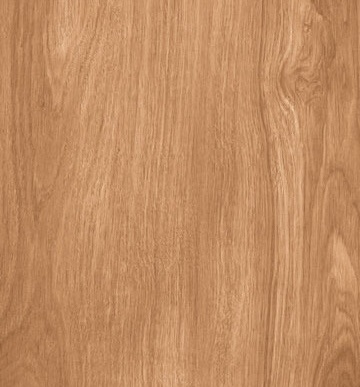
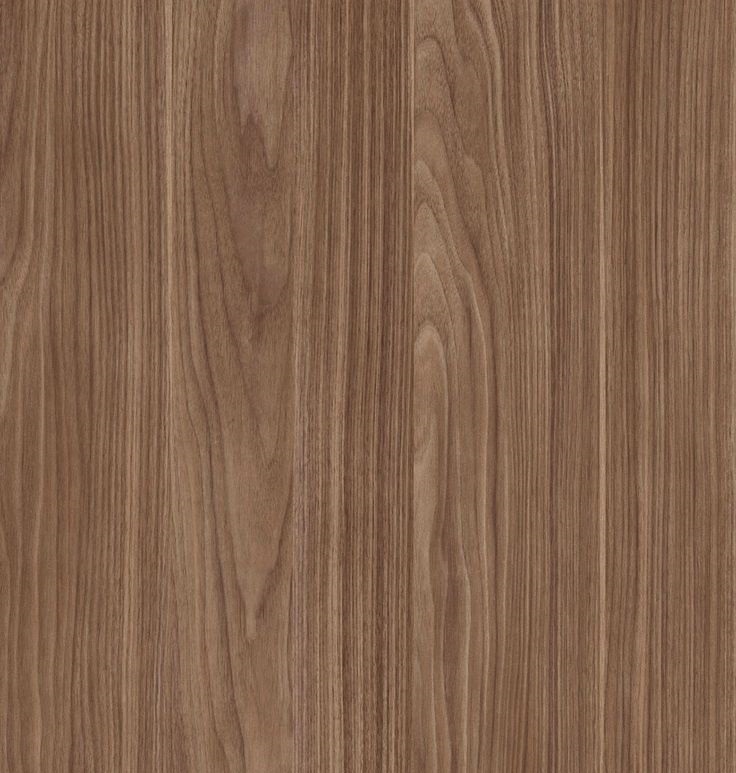
Need more info? Contact us for advice
Common questions
OR